

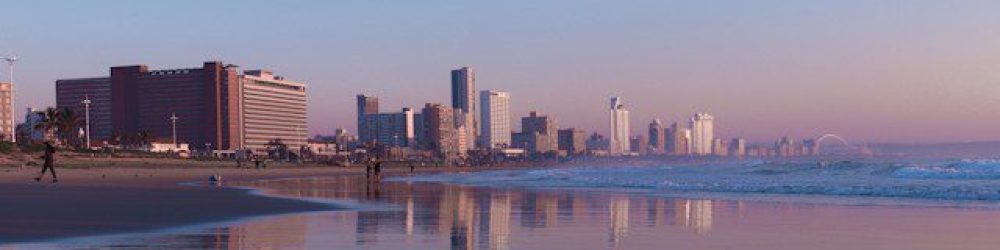

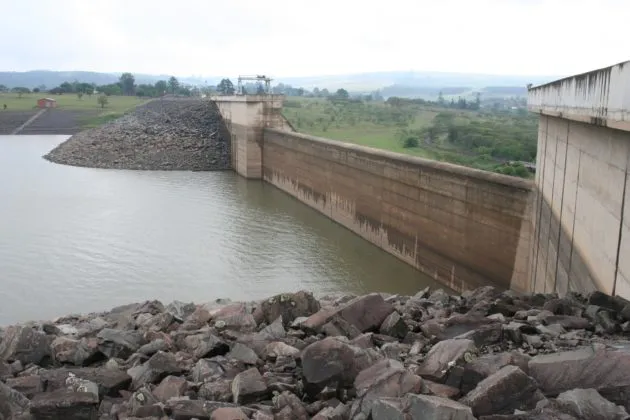
Durban’s (eThekwini Municipality) water crisis is primarily a distribution, loss, and management failure rather than absolute scarcity of raw water. Dam levels in the uMngeni system (which supplies the bulk of the city’s treated water via uMngeni-uThukela Water) have frequently been near or at full capacity in recent periods, yet residents face prolonged outages, intermittent supply, reliance on tankers, and dry taps—especially in southern, western, northern, and high-lying areas.
The situation has deteriorated over years and remains acute into 2026, with non-revenue water (NRW—treated water that is lost or unbilled) reaching alarming levels, thousands of unrepaired leaks, and repeated major disruptions from bursts, pump failures, and infrastructure stress.
Extremely High Water Losses (the Dominant Factor)
Non-revenue water has become the defining problem. Reports from 2025–2026 put eThekwini’s NRW in the 55–65% range (with a June 2026 peak cited at around 65% and 12-month averages often near 55–58%). This is far above national targets (roughly 25% for NRW and 15% for real/physical losses) and roughly double the levels of a decade earlier (around 33%).
In practical terms, more than half—and at times nearly two-thirds—of the treated water the municipality buys and pumps into the network is lost to:
- Physical leaks and bursts on ageing mains and reticulation.
- Illegal connections and theft.
- Metering inaccuracies, unbilled authorised use, and commercial losses.
The financial impact is severe: estimates of R2–3 billion (or more) in annual lost value. There has been a persistent backlog of roughly 12,000–13,000 unrepaired leaks, with only a limited number of municipal plumbers (sometimes cited around 50–60) available to tackle them. Contractor disputes and procurement issues have further slowed repairs.
This creates a vicious cycle: water is lost → reservoirs deplete faster than they can be refilled → pressure drops in high-lying or distant areas → outages multiply → more strain on remaining infrastructure and more tanker dependency.
Ageing Infrastructure and Deferred Maintenance
Much of Durban’s water reticulation network dates from the 1950s–1990s and was designed for a far smaller city. It now serves a metro approaching 4 million people under higher pressures and demand. Old asbestos-cement, galvanised, and prestressed concrete pipes rupture frequently under pressure spikes or simply from age. Pump stations and reservoirs suffer mechanical and electrical failures; parts shortages and skills gaps delay repairs.
Decades of under-maintenance have produced a large infrastructure backlog. Major bulk projects (such as the R1.2 billion Southern Aqueduct upgrade, intended to improve supply reliability to roughly 1.2 million people in central and southern areas) have faced delays and setbacks, including additional leaks during commissioning. Other upgrades (e.g., Ntuzuma pump station) have helped in specific zones but have not resolved the system-wide problem.
Rapid Growth in Demand Outpacing Supply Capacity
Population growth, urbanisation, and rising consumption have pushed demand beyond the reliable capacity of the treated-water supply and distribution network. Demand has historically exceeded authorised abstraction limits in the uMngeni system, leading to curtailments and restrictions. High heat periods further spike usage, while algae blooms at treatment works (e.g., Durban Heights) can reduce production.
Reservoirs empty because water is drawn out faster than it can be replaced, particularly affecting areas far from bulk sources or at higher elevations. New developments have sometimes outpaced supporting bulk and reticulation infrastructure.
Legacy of the 2022 Floods and Climate/Operational Pressures
The catastrophic April 2022 floods caused extensive damage to pipes, treatment works, and other critical assets. Years later, some flood-related repairs remain incomplete, leaving the system more vulnerable.
Climate variability adds stress: alternating drought and extreme rainfall, heatwaves that increase demand, and events that damage or overwhelm infrastructure. Electricity interruptions (affecting pumps), vandalism, equipment theft, and occasional sabotage compound the operational difficulties.
Governance, Skills, Financial, and Institutional Weaknesses
Multiple analyses point to underlying capacity and management problems: shortages of skilled technical staff, procurement complexity and delays, centralisation of support functions that can hinder operational agility, high levels of municipal debtors (tens of billions of rand), and political or accountability issues. Turnaround strategies launched in recent years have not yet reversed the upward trend in losses. Critics from opposition parties and some officials have described a broader leadership and performance crisis, while national and provincial interventions (including calls for more plumbers and better billing) continue.
Vandalism, illegal connections, and disputes with contractors over payments or procurement models have repeatedly hampered response capacity.
Context and Implications
Unlike pure drought-driven crises elsewhere, Durban’s problem is not mainly that the dams are empty. It is that a large share of the water that is available is never delivered reliably to users because of losses and network fragility. This has health, economic, and social costs: disrupted households and businesses, tanker dependency (itself sometimes linked to allegations of capture or inefficiency), pollution risks from related sanitation failures, and erosion of public trust.
Positive steps exist—Southern Aqueduct progress, some pump-station upgrades, meter-replacement and pressure-management programmes, future bulk schemes such as the Lower uMkhomazi project (expected to add significant capacity), and national/provincial attention—but the scale of losses and the maintenance backlog mean relief for many residents has been slow and uneven. Full stabilisation is widely expected to require sustained multi-year investment, better leak detection and rapid repair capacity, skills recruitment, stronger revenue protection, and improved accountability.
In short, the dire need stems from a combination of very high physical and commercial water losses on an ageing network, demand growth that has outrun distribution capacity, incomplete recovery from major flood damage, and persistent institutional and operational shortcomings. Reducing NRW dramatically while accelerating infrastructure renewal is the core requirement for lasting improvement.