



The quake was relatively shallow (about 10 km / 6 miles deep), with its epicenter roughly 12 miles south of Kumamoto city. It reached the maximum intensity of 7 on Japan’s Shindo seismic scale in places including Uki City and Hikawa Town, with strong shaking (upper 6) felt more widely across the prefecture. It was the strongest to hit the region in about a decade (following the 2016 Kumamoto events).
Casualties and Key Damage Sites
Prime Minister Sanae Takaichi confirmed the death toll of at least 13 on Wednesday morning (including some cases still under investigation for a direct link to the quake). She described the situation as a “race against time,” stating that people remained waiting to be rescued and that all available resources were being mobilized.
Major incident sites included:
- Aeon Mall Kumamoto (Kashima area): Partial collapse of the second floor, with reports of an explosion (possibly linked to a gas leak) roughly an hour after the main shock. Two women in their 20s were killed; rescuers pulled others from the rubble (including some alive and at least one in cardiac arrest). Several people remained missing or unaccounted for (early reports mentioned 20–30 workers; later figures were lower).
- Nippon Paper Industries factory (Yatsushiro): A chimney/smokestack collapsed, trapping workers. Multiple people were missing (reports of around seven), with some rescued in serious condition or cardiac arrest.
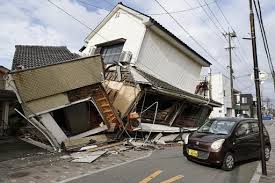
- Additional impacts from collapsed houses, other buildings, fires, and infrastructure damage (roads, bridges). Hospitals treated dozens to hundreds of injured people (reports varied, with some tallies exceeding 300–380 overall).
Thousands of people (over 9,000 early Wednesday) were in evacuation centers across several prefectures. Earlier advisories had directed hundreds of thousands in the broader area to seek shelter. Power and water outages affected tens of thousands of homes; some train and airport services were disrupted. A tsunami advisory was issued for nearby coastal areas (Ariake and Yatsushiro seas) but no major damaging waves were reported, and alerts were lifted. Nearby nuclear plants reported no abnormalities.
Response and Context
Thousands of Self-Defense Force personnel and emergency teams were deployed for search-and-rescue, with intensive efforts overnight into Wednesday at the mall, factory, and collapsed homes (including an elderly couple trapped in Hikawa). Aftershocks occurred, and authorities urged continued caution. Hot summer weather added challenges for those displaced.
Japan is highly earthquake-prone due to its position on the Pacific Ring of Fire. The 2016 Kumamoto sequence caused significant damage and dozens of deaths in the same region; building codes and preparedness systems are generally strong, though shallow, intense shaking in populated areas can still produce localized collapses and secondary hazards like gas explosions or fires.