




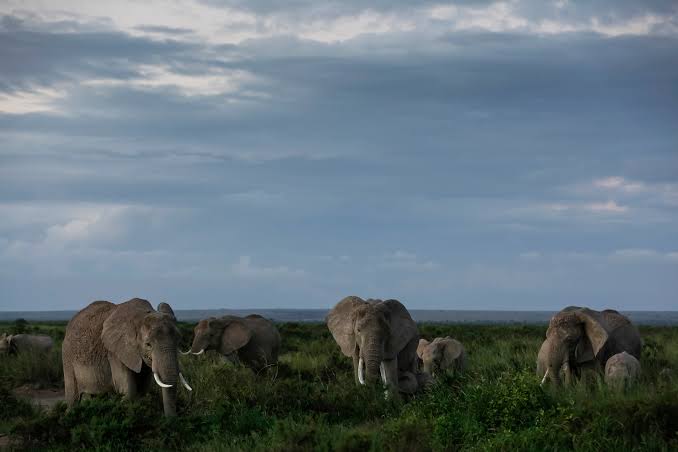
Preliminary laboratory tests detected cyanide in samples from the carcasses, with investigators linking it to the animals eating tomatoes sprayed with pesticides (or other agricultural chemicals containing cyanide) on nearby farms.
Key details from the investigation
- Symptoms and timeline: Ten of the elephants showed signs of partial paralysis (including of the limbs) and died within one to two days. The other five were already dead when discovered (some carcasses were decomposed or scavenged). Post-mortems indicated effects on the lungs, heart, and liver. One herd in Kimana Wildlife Sanctuary lost six elephants (including adult females and calves). At least one animal died on a farm itself; others moved toward water sources before dying despite veterinary treatment.
- Evidence pointing to tomatoes/pesticides: Stomach contents of at least some elephants contained “lots of tomatoes.” Kimana is a major tomato-growing area in Kajiado County, and elephants frequently move between protected areas and farmland in search of food and water. Officials suspect the animals were attracted to (possibly unripe) plants on the farms. Cyanide—a highly toxic substance used in some agricultural applications as a pest fumigant or predator control agent (and historically by poachers)—was identified in lab analysis of samples. KWS Director General Prof. Erastus Kanga described it as “highly toxic… particularly for elephants,” noting that animals consuming it typically do not survive more than a day or two.
- Status of the probe: Findings are preliminary. Investigations continue into the exact source, quantity, and whether the contamination was accidental (e.g., improper or excessive pesticide use) or deliberate (e.g., farmers retaliating against crop-raiding, which has occurred in Kenya and elsewhere in the past). Some earlier testing showed mixed or incomplete results (e.g., one lab detecting a toxin while another did not), with further quantitative analysis ongoing. Officials have largely ruled out traditional poaching as the primary explanation in this case, given the scale, demographics of the victims (mixed ages/sexes, family groups), location, and presence of tomatoes in stomachs.
Context and broader implications
The Amboseli ecosystem supports a large and well-monitored elephant population—estimates put more than 1,600–2,000 animals in the wider area (including neighboring conservancies) as of recent years. Poaching has been largely controlled there for decades through community-based conservation efforts, making a mass mortality event of this scale unusual outside of drought periods. Conservation groups such as the Big Life Foundation and International Fund for Animal Welfare have described the deaths as deeply concerning.
This incident highlights ongoing human-wildlife conflict pressures in the region. Expanding agriculture (especially intensive tomato farming) borders wildlife corridors, and elephants raid crops when natural forage is limited. Cyanide and similar substances have been used in past wildlife poisoning incidents elsewhere in Africa (e.g., Zimbabwe watering holes). Authorities have warned of potential wider impacts: livestock (cattle, goats) that also graze or feed in the same areas could be affected, though KWS has stated there is currently no evidence of an immediate risk to human health.
KWS reports the immediate situation has been contained. Rangers and researchers have increased surveillance and monitoring of herds. Officials are urging local communities to use pesticides and agricultural chemicals with greater caution and are engaging stakeholders to prevent recurrence. The ecosystem is also a major tourism draw, and local political tensions over park management have been noted in the background, though they are not directly linked to the deaths.