




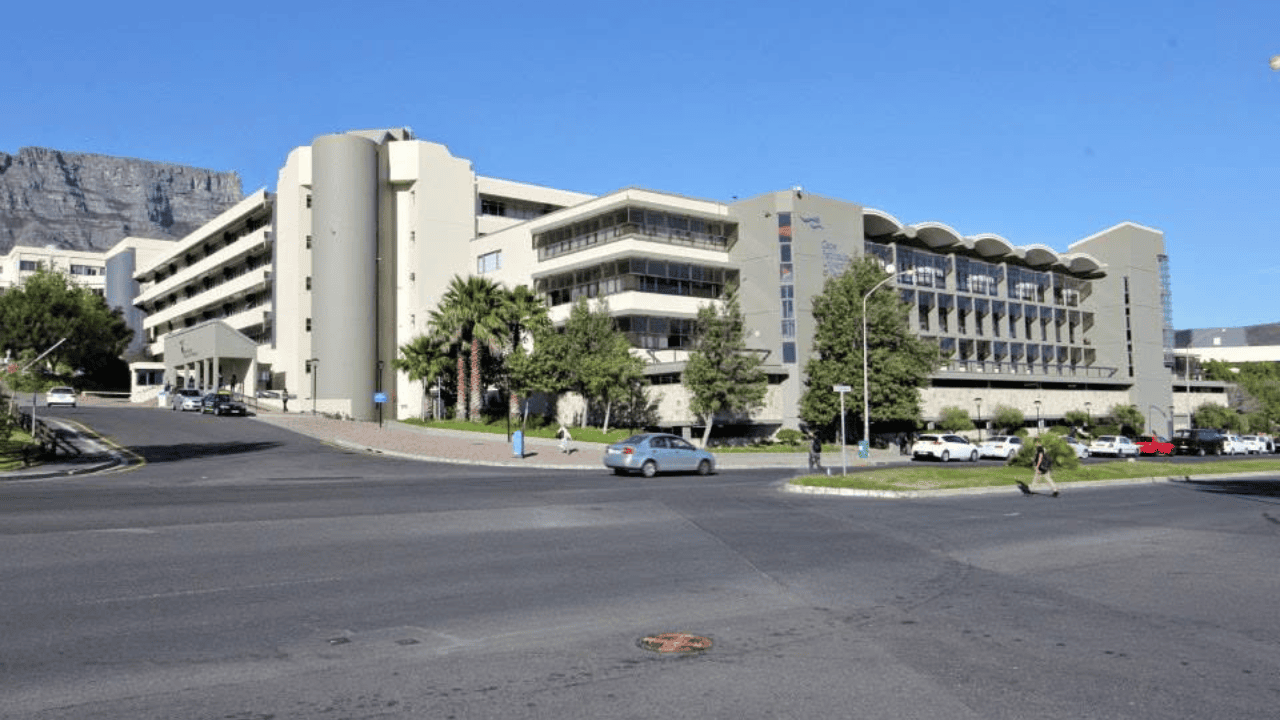
The unrest began around early-to-mid August 2026 and centred on CPUT’s draft Financial Recovery Plan (FRP) for 2027. CPUT carries one of the highest student debt burdens among South African universities—reported at about R4.2 billion. The draft plan aimed to recover funds partly through upfront payments: roughly R3,500 for academic registration and another R3,500 for residence students (total around R7,000 in some accounts), plus requirements for students with historical debt to pay a percentage of arrears before registering. It also proposed ending or restricting the Acknowledgement of Debt (AOD) system that previously allowed registration while structuring repayments.
Students, including many NSFAS-funded ones, argued the measures would create financial exclusion, especially because residence fees often exceed the NSFAS accommodation cap (around R50,000–R55,000 versus R65,000–R70,000 at CPUT residences). Additional grievances included poor residence maintenance and conditions, withholding of academic transcripts and certificates due to debt (particularly accommodation-related shortfalls), and broader demands for forensic investigation of university finances, better consultation, and prioritisation of student wellbeing.
Protests involved mass meetings (over 1,000 students at times), campus and residence shutdowns, marches between sites (District Six, Bellville, Wellington), and involvement of groups such as the SRC, EFF Students’ Command, PASMA, and others. CPUT Council withdrew the draft FRP on or around 13 August after special sittings and student memoranda, citing the need for further consultation and expecting protests to end. Violence and disruptions continued nonetheless.
Escalation, Violence, and University Response
Over roughly five days leading up to the shutdown, management reported significant damage across campuses: broken windows, a burnt vehicle, classroom and cafeteria damage, flooded buildings, damaged fencing/security equipment, harm to the restored Ikamva building, and other infrastructure attacks. A security official was injured earlier (struck with a brick and hospitalised in some reports). On Monday evening, 17 August, the Old Education building at the Bellville campus was set alight; fire services responded and no one was injured in that incident, but management described the overall violence as escalating to a point where serious injury or worse was likely.
On Tuesday, CPUT announced the full closure of all campuses until further notice, suspension of academic activities, remote work for most staff (with only essential personnel on site), and the 24-hour residence evacuation order. Management framed this as necessary for safety and de-escalation, stating that “continued violent disruptions, torching of buildings, and malicious attacks on institutional infrastructure” left no alternative, and that “unruly individuals, acting in bad faith” were making the university dysfunctional. Spokesperson Lauren Kansley and statements emphasised open doors for engagement while prioritising lives.
Some students indicated they would refuse to leave, citing lack of alternative accommodation (especially those from distant provinces like the Eastern Cape with limited family resources in Cape Town) and ongoing disagreement with the institution’s approach. The order affected thousands in residences.
March to Parliament
On Tuesday, students marched from the District Six campus to Parliament, where they handed over a (reportedly 20-page) memorandum detailing grievances and demanding government intervention on the financial recovery issues, accommodation, consultation failures, and related matters. There was a heavy police presence. Portfolio Committee on Higher Education chairperson Tebogo Letsie received the document and expressed concern that better stakeholder consultation by management could have avoided the strike, questioning decisions affecting NSFAS-funded students.
Parliamentarians questioned the practicality and sense of the abrupt 24-hour evacuation order amid the crisis.
Broader Context and Implications
This fits a longer pattern of student housing and funding pressures at CPUT (and nationally), including earlier 2025–2026 accommodation shortages that left some students sleeping outside or in temporary/emergency spaces, NSFAS cap shortfalls, and recurring protests. CPUT has previously managed evacuations during unrest. The R4.2 billion debt highlights structural challenges in South African higher education financing—balancing institutional sustainability against access for disadvantaged students.
Withdrawal of the FRP did not fully resolve tensions, as core issues (debt recovery mechanisms, residence costs vs. NSFAS, maintenance, transcripts) and the turn to violence persisted. Academic progress is disrupted (online attempts had mixed success earlier), infrastructure repair costs add up, and students face immediate housing insecurity. Management continues to call for constructive engagement and an end to violence; student leaders have stressed legitimate grievances rooted in years of frustration and constitutional access concerns.
As of the latest reports (around 18–19 August 2026), the campuses remain closed, the evacuation deadline is in effect or imminent, and the situation remains fluid with calls for de-escalation from both sides and parliamentary attention. Further developments would depend on negotiations, any forensic or oversight processes, and whether calm returns to allow resumption of the academic programme.