


Official shark nets (bather protection)
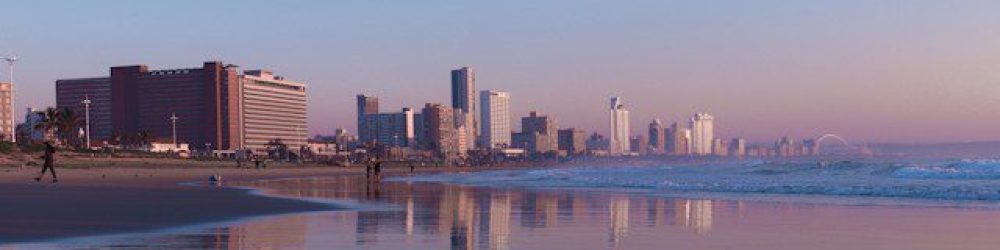
Large-mesh gill nets have been deployed off Durban beaches since 1952, following a series of shark attacks (21 incidents, including fatalities, between 1943 and 1951). These nets, managed by the KwaZulu-Natal Sharks Board (KZNSB), are set parallel to the shore (typically 300–500 m offshore in 10–14 m of water) to reduce the risk of shark encounters at popular swimming beaches.
- Typical nets are around 213–305 m long, 6–7.6 m deep, with a stretched mesh of about 50–51 cm (larger than ordinary fishing gill nets). Durban, Anstey’s, and Brighton Beach nets have historically used yellow braid and slightly different dimensions.
- They are checked regularly (weather permitting) and form part of a broader KZN programme covering dozens of beaches from Richards Bay southward. Over decades the total length of netting has been reduced significantly (from peaks near 45 km), with some replacement by baited drumlines to lower bycatch of non-target species such as dolphins, turtles, rays, and non-dangerous sharks.
- These nets are legal and purpose-built for shark control. They have dramatically reduced attacks at protected beaches (no serious shark-inflicted injuries at Durban’s netted beaches for decades after installation), but they remain controversial due to bycatch and impacts on marine ecosystems. Nets are sometimes temporarily removed during the sardine run to limit interactions with migrating animals.
Illegal gill netting
Smaller-mesh or indiscriminate gill nets used for catching fish (mullet, bream, tilapia, stumpnose, etc.) in estuaries, rivers, lagoons, and nearshore areas are generally illegal in KZN marine and estuarine waters without specific permits. The South African government moved to outlaw most gill-netting in estuaries, freshwater, and the sea in the early 2000s because of its non-selective nature, high bycatch (including juveniles and protected species), habitat damage, and contribution to overfishing and “ghost fishing” when nets are lost or abandoned.
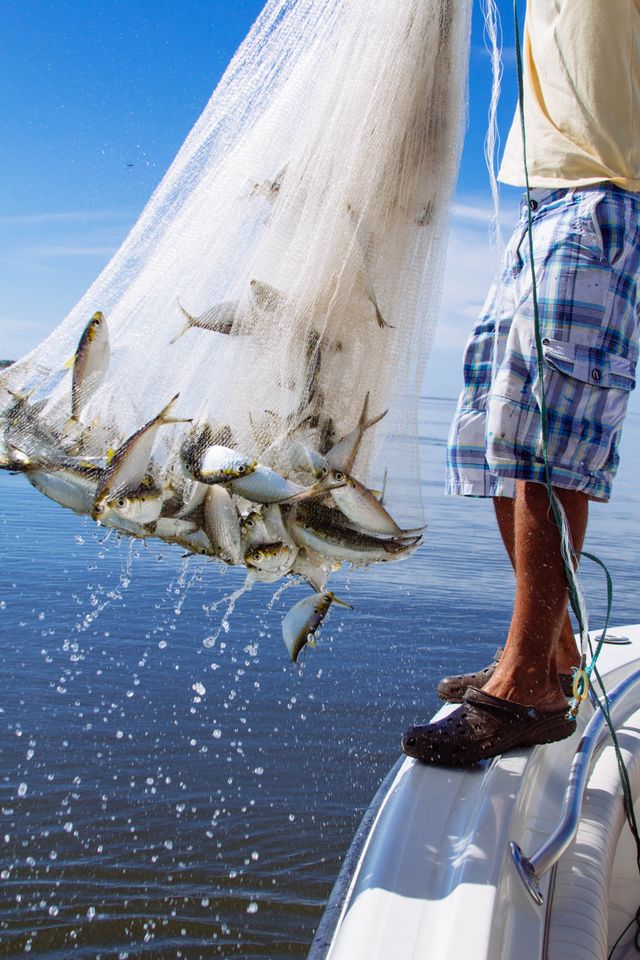
- Legal exceptions exist mainly for limited commercial gill-netting (largely confined to the Western Cape for species such as mullet/harder and St Joseph shark, under strict permit conditions). In KZN, certain commercial rights (e.g., beach-seine/trek-net, drift-net, or set-net) may be available via formal rights applications under the Marine Living Resources Act, but recreational or unpermitted use of gill nets is prohibited. Traditional line-fishing, cast nets (under size and species limits), and certain subsistence arrangements operate under different rules.
- Illegal activity is common around Durban. Authorities frequently recover hundreds of metres to kilometres of netting from sites such as the Umgeni River/Blue Lagoon, Umdloti Estuary/La Mercy, and other rivers and lagoons. Recent joint operations by Durban Metro Police (Coastal & Tourism Policing and Search & Rescue units), Ezemvelo KZN Wildlife, the Department of Forestry, Fisheries and the Environment (DFFE), SAPS, and the Coastal Marine Task Force have seized nets, improvised craft, and catches, releasing live animals where possible.
- Further afield in northern KZN (e.g., Kosi Bay lakes within iSimangaliso Wetland Park), the problem is severe: anti-poaching teams have removed nearly 300 nets (almost 23 km combined length) in a single recent year, with ongoing arrests linked to sales of large quantities of fish. Traditional fish traps are permitted in some community contexts, but synthetic gill nets are not.
Impacts of illegal gill netting include rapid depletion of fish stocks, entanglement of non-target wildlife (birds, crabs, juveniles), and disruption of ecosystems. Nets are often deployed permanently or hidden to avoid detection. Cheap, readily available netting and socioeconomic pressures contribute to the problem; some reports note links to commercialisation of illegally caught fish.
Enforcement and reporting
Law-enforcement agencies treat illegal gill-netting as a priority coastal conservation issue. A Gillnet Reporting App (developed with DFFE, WildTrust, and partners) allows the public to report sightings anonymously or with details to help target hotspots. Reports can also go to the Environmental Crimes and Incidents Hotline (0800 205 005), DFFE contacts, or local Metro Police/Ezemvelo offices.
In summary, the visible large-mesh nets off Durban beaches are the official KZNSB shark-protection system. Any other gill-netting for fish in the city’s rivers, estuaries, lagoons, or coastal waters is almost always illegal and subject to seizure and prosecution. For the most current permit conditions, bag limits, or commercial rights applications, check the DFFE or KZN provincial fisheries regulations, as these can be updated.