


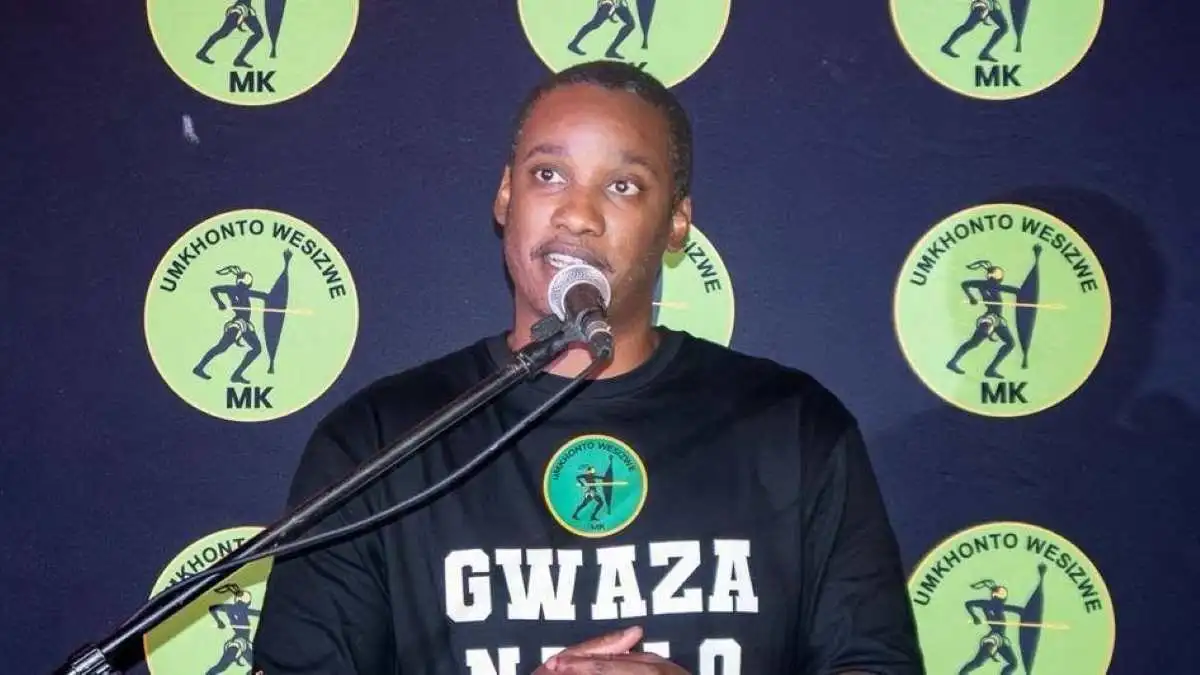
This is a roughly 11-point decline in the reported figures (commonly described in coverage as a 15-percentage-point drop), leaving it still the largest party ahead of local government elections expected in November 2026.
Poll details and results
The survey was conducted between 8 and 31 July 2026 among 500 people in eThekwini (part of a broader national sample of about 2,214 registered voters). It used telephonic CATI interviews, a turnout model of around 56%, and carried a margin of error of about 4.4% for the metro sample. Respondents were asked which party they would vote for if a local government election were held that day.
Key eThekwini results (likely voters):
- MKP: 33%
- Democratic Alliance (DA): 23%
- African National Congress (ANC): 18%
- Inkatha Freedom Party (IFP): 16%
- Economic Freedom Fighters (EFF): 4%
- Smaller parties (FF+, Minority Front, ACDP, etc.): low single digits
No party approaches a majority. The top four are relatively close (separated by about 15 points overall).
Comparison to earlier polling and elections:
- March 2026 SRF/The Common Sense poll: MKP 44%, DA 28%, IFP 18%, ANC 8%.
- 2021 local government elections: ANC around 42% (historically dominant in the metro).
- 2024 national/provincial results in the area: MKP performed very strongly (around 45–48% in parts of KZN/eThekwini), drawing heavily from former ANC and some EFF support.
The ANC has recovered somewhat from its very low March showing but remains well below its 2021 levels and trails both MKP and the DA. The DA has slipped from its March high while the IFP has held relatively steady.
Context for the decline
Coverage (including News24) links the drop to roughly two years of internal chaos and instability within the MKP.
Notable issues include repeated leadership shake-ups, factionalism, expulsions (including of high-profile figures such as Jacob Zuma’s daughter Duduzile Zuma-Sambudla and others), frequent changes to structures (e.g., dissolving and reconstituting presidential task teams or strategic teams), and recent moves elevating family members such as Duduzane Zuma to senior roles while removing others like John Hlophe. Analysts have described the party as increasingly revolving around Zuma personally, with questions about succession, organisational discipline, and whether it can function effectively beyond his personal popularity.
Earlier polling and commentary emphasised that MKP’s strength in eThekwini rested heavily on Zuma’s personal favourability rather than robust party structures or a detailed local platform. Persistent turbulence appears to have eroded some of that support.
Implications for the 2026 local elections
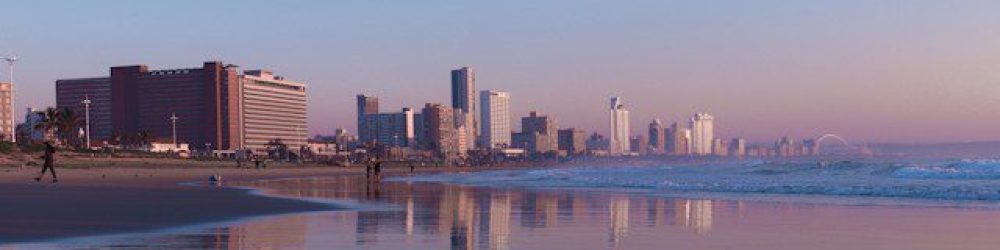
eThekwini (Durban metro) is a major battleground. A hung council looks likely on current numbers, raising the prospect of complex coalition negotiations involving MKP, DA, ANC, IFP, and smaller parties. MKP remains the frontrunner in the poll but no longer appears positioned for an outright or near-majority win. The ANC’s partial recovery and the relative competitiveness of the DA and IFP add further uncertainty.
Polls are snapshots with margins of error, and local dynamics (candidate selection, campaigning, turnout, and any further internal MKP developments) can shift results. By-elections in prior periods showed mixed signals, with MKP competitive or successful in some eThekwini wards. National-level SRF/The Common Sense polling around the same period showed MKP lower overall (around 15%) compared with stronger regional concentration in KZN.