



eThekwini (Durban metro) is experiencing a severe and worsening water crisis driven by extremely high non-revenue water (NRW) losses, a massive backlog of unrepaired leaks, ongoing vandalism/sabotage of infrastructure, and a protracted dispute with contracted plumbers that has repeatedly disrupted operations at key facilities such as the Pinetown Water and Sanitation depot.
Key figures and recent developments
- NRW losses: These peaked at around 65% in June 2026 (with annual averages reported in the mid-50% range in various accounts). This means roughly two-thirds of treated water is lost to leaks, bursts, overflows, illegal/unmetered connections, or non-payment rather than generating revenue or reaching consumers. The figure has roughly doubled over about a decade (from ~33% earlier) and rose further after a 2023 Water Turnaround Strategy that failed to reverse the trend. Physical losses form a large share; the volume represents hundreds of millions of cubic metres annually and costs ratepayers an estimated R2–3 billion or more per year in lost revenue and higher tariffs.
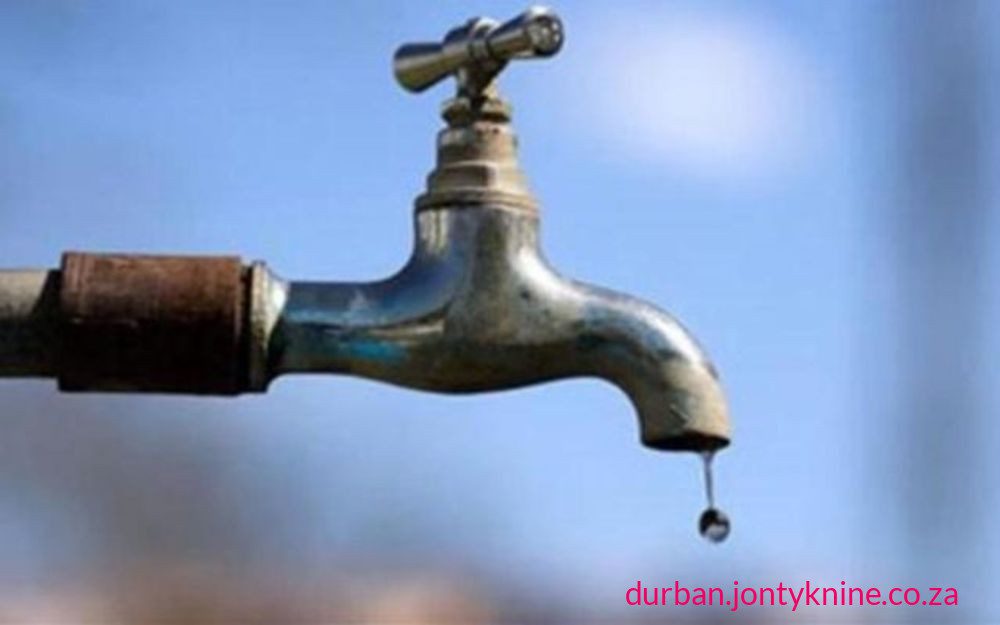
- Leak backlog: Reports consistently cite 12,000–13,000+ active water leaks (some earlier or approximate figures reached ~15,000). Millions of litres gush daily into streets, drains, and the ground while many residents face intermittent or no supply. Capacity has been severely constrained.
- Plumber/contractor crisis: A long-running dispute stems from unpaid invoices (some contractors report non-payment since late 2025 or earlier), changes to procurement after Auditor-General findings of irregularity in the prior model, and a shift to a Contractor Infrastructure Panel (CIP)/managing-contractor system. Contractors have downed tools, blockaded the Pinetown depot (a major hub for valve operations, meters, tankers, and repairs) in July 2026 and again more recently, and staged protests. The municipality has recruited additional internal plumbers (reports of ~56 rising toward higher numbers, with claims of ~106 on the ground after partial resolution) but capacity remains inadequate for the scale of faults. Residents have reported water spraying from broken or vandalised meters for extended periods.
Pinetown depot protests and related incidents
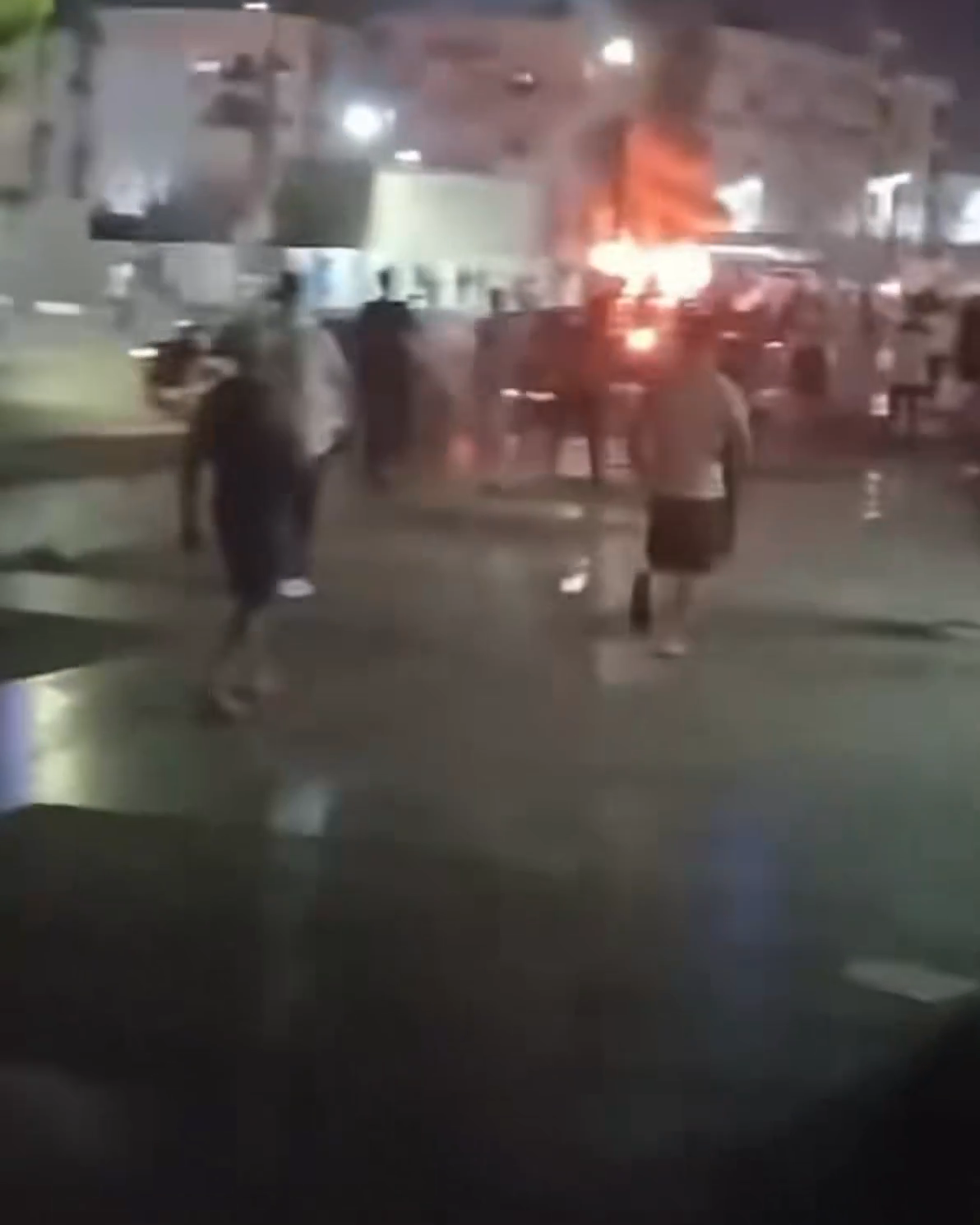
In mid-September 2026 (including a picket around 10 September and further action reported around 15 September), protesters—including plumbing contractors—targeted the Pinetown Water and Sanitation depot. Activities included burning tyres and (in at least one account) opening fire hydrants, contributing to uncontrolled water flow. This aligns with the user’s description of burning tyres, allegedly vandalised/destroyed meters, and water gushing into the streets. Earlier blockades in July similarly halted or disrupted depot operations.
Broader vandalism and sabotage have been a persistent problem throughout 2026:
- Pressure-reducing valves (PRVs), chambers, control panels, telemetry, fencing, and other assets have been repeatedly targeted (hundreds of PRVs in some northern areas alone, with repair costs exceeding R50 million in specific clusters).
- Deliberate valve closures have caused outages (e.g., Mount Moriah and Westville in July).
- Theft of meters and components is common; meters are sometimes left broken so water continues to flow uncontrolled.
- Officials have linked some acts to possible political motivation ahead of local elections, “water mafia”/tanker interests that profit from shortages, or pure criminality for scrap/value. The municipality has investigated hundreds of cases and referred many to law enforcement, while calling for community reporting.
Underlying causes and implications
Multiple overlapping factors are at work:
- Ageing infrastructure and deferred maintenance — Old pipes, high burst rates, and insufficient capital investment for replacement/rehabilitation.
- Operational and capacity shortfalls — Limited skilled plumbers (internal + contracted), procurement delays, and disputes that leave faults unattended for weeks or months.
- Governance and financial pressures — High NRW erodes revenue needed for repairs, creating a vicious cycle. Cross-subsidisation and billing/metering weaknesses compound losses. Political contestation (ANC/IFP leadership criticised by the DA and others; DA mayoral candidate Haniff Hoosen has held pickets and proposed a multi-point recovery plan including R7–10 billion investment, rapid-response teams, technology for leak detection, private-sector involvement, and investigating “water mafias”) intensifies scrutiny ahead of elections.
- External pressures — Vandalism/theft, illegal connections, and occasional power failures at reservoirs/pump stations that cascade into supply interruptions (recent examples include Pinetown South system issues).
Consequences include unreliable or absent household supply (forcing reliance on tankers, which themselves can be linked to opportunistic interests), higher costs for residents and businesses, environmental waste of scarce treated water in a water-stressed country, health and hygiene risks, and damage to public trust. Some communities have faced multi-day outages; informal settlements and certain northern/southern suburbs have been particularly hard-hit in past waves. Sewer faults have also spiked in parallel, adding to the sanitation burden.
Municipal and other responses
eThekwini has condemned vandalism and blockades as criminal/disruptive, pursued some prosecutions, recruited more internal capacity, adjusted contracting models, and claimed partial progress on backlog reduction in certain periods or areas through dedicated teams. National Department of Water and Sanitation officials (including Deputy Minister Jack Bloom) have conducted oversight visits highlighting the 65% losses and 13,000+ leaks. Opposition parties continue to press for accountability, leadership changes, and faster fixes. Technology upgrades (sensors, SCADA, metering of previously unmetered areas) and capital programmes are referenced in plans, but results on the ground have lagged the severity of the problem.
The situation remains fluid as of mid-September 2026. Protests that damage infrastructure (burning tyres near depots, opening hydrants, or destroying meters) exacerbate the very shortages they protest, while the core issues of capacity, maintenance, revenue protection, and security of assets require sustained technical, financial, and governance fixes rather than short-term political responses. Residents are advised to report leaks, vandalism, or outages promptly through official channels (e.g., Water and Sanitation toll-free numbers) and to conserve where possible, though systemic losses dwarf individual household use.