





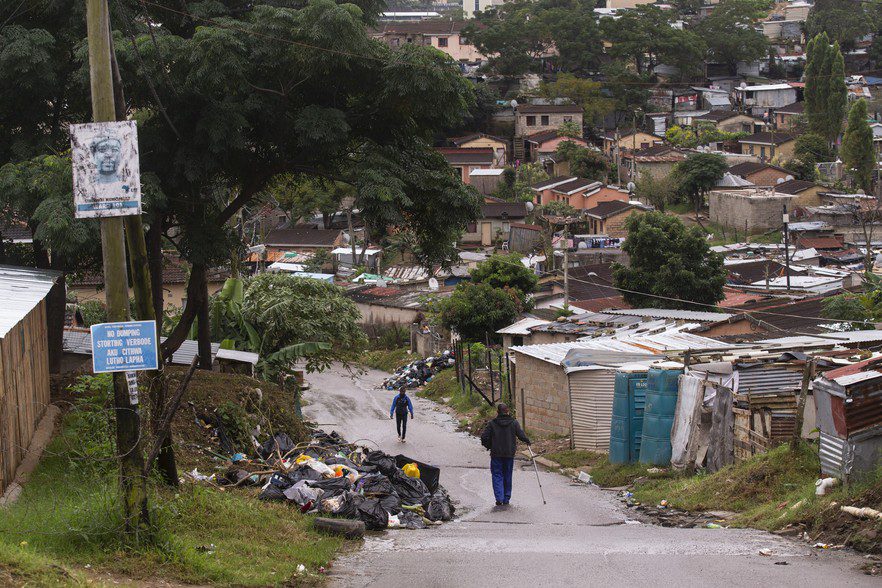
Police report that the suspect allegedly began his attacks in 2014 and continued through 2025 (an approximately 11-year period). Fourteen of the reported victims were assaulted in Cato Manor. One additional case each was recorded in Plessislaer and Taylor’s Halt (near Pietermaritzburg).
His alleged modus operandi involved operating mainly at night: following women of various ages home from taverns, then attacking and robbing them. In some cases, he is accused of breaking into homes—particularly those of women living alone—and committing the assaults at knifepoint. Victims were generally unable to identify him because he reportedly concealed his face with pantyhose.
Investigation and arrest
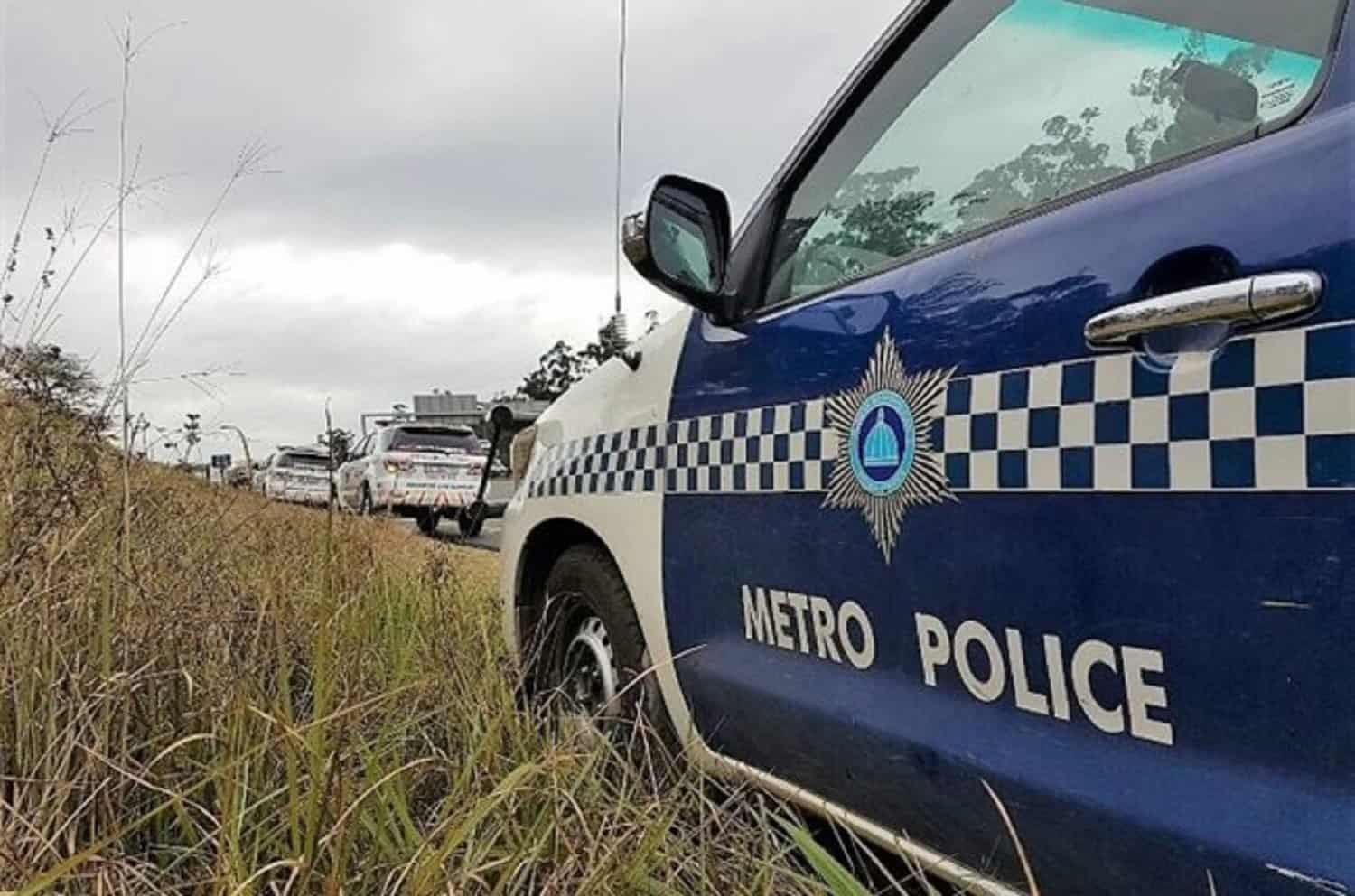
The arrest followed intensive work by specialised units: the Serial and Electronic Crime Investigation (SECI) unit and the Investigative Psychology Unit (IPU), both part of the Family Violence, Child Protection and Sexual Offences (FCS) Unit. Investigators established a consistent pattern of behaviour across the cases and linked the suspect to the crimes through DNA evidence.
KwaZulu-Natal police spokesperson Colonel Robert Netshiunda confirmed the details in statements reported by multiple outlets. The suspect faces multiple charges, including rape, housebreaking, and attempted murder. He was scheduled to appear in the Durban Magistrate’s Court on Monday, 21 September 2026.
Context and notes
This case highlights the role of DNA forensics and specialised investigative units in linking cold or serial cases where visual identification is difficult due to disguise. Police have not publicly detailed exactly how or when the DNA match was obtained, whether the suspect had prior police contact related to these incidents, or whether additional victims may still come forward.
The arrest was reported amid broader national attention on violence against women in South Africa, including high-profile investigations elsewhere (such as the Ekurhuleni cases involving multiple women’s bodies). South Africa continues to face significant challenges with gender-based violence, and serial sexual offence cases often rely heavily on forensic evidence and persistent specialised policing.
No name of the suspect has been publicly released in the reports reviewed, which is consistent with standard practice prior to formal court proceedings in such cases. Coverage comes from outlets including eNCA, TimesLIVE, Briefly, and local Citizen/Berea Mail reporting based on police statements. Further developments (such as formal charges, bail hearings, or additional forensic results) would be expected to emerge through the court process.