





The European Commission has recommended that citizens keep at least 72 hours’ worth of essentials (food, water, medicines, flashlights/torches, radios, ID documents, etc.) so households can be self-sufficient in the critical early phase of a disruption. This is framed as building a “preparedness” and resilience mindset rather than panic-mongering. Officials (including Preparedness and Crisis Management Commissioner Hadja Lahbib) have cited “increasingly complex crises and challenges,” Russia’s large-scale war in Ukraine, rising geopolitical tensions, sabotage of critical infrastructure, cyber warfare, climate-driven disasters (floods, wildfires), and disease risks.
Many EU countries (and the UK, Ireland, etc.) already had or have recently reinforced similar household guidance—often 3 days (sometimes longer, e.g., Germany’s 10-day suggestion or Nordic countries’ longer recommendations)—and have run public campaigns, booklets, or apps. Recent national activity in 2026 (e.g., UK “Be Ready,” Irish “Be Emergency Ready,” Dutch discussions after supermarket cyber incidents) aligns with the EU-level push and practical concerns such as just-in-time supply chains that can empty shelves quickly in a major outage or attack.
In short, the “expectancy” is greater likelihood of multi-domain disruptions (war-related, hybrid/cyber, climate, etc.) in a more unstable security environment, so authorities want citizens ready for short-term self-reliance while emergency services prioritize the most vulnerable. It is not tied to a specific predicted date or single catastrophe.
people are not being told (or expected) to store huge amounts of toilet paper again like during the early COVID panic-buying in 2020.
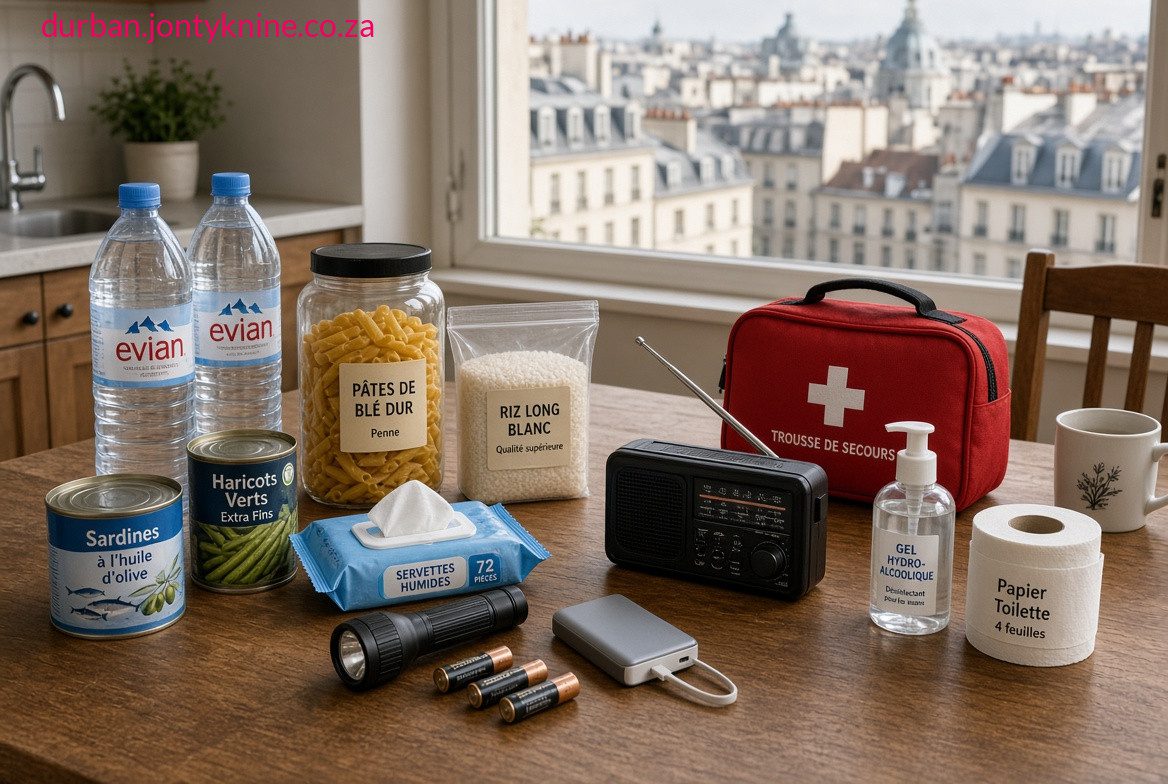
Official EU, UK, Irish and other European preparedness guidance focuses on a modest 72-hour / 3-day household kit. The core recommended items are:
- Bottled water (roughly 2.5–3 litres per person per day for drinking, more for other uses)
- Non-perishable / ready-to-eat food (tinned goods, dried items, etc.)
- Medicines and a basic first-aid kit
- Lighting (torch + batteries), a battery/wind-up radio, power bank
- Hygiene items such as hand sanitiser, wet wipes, and general bathroom/personal care products
- Cash, important documents, blankets/warm clothing, etc.
Toilet paper (or “loo roll”) sometimes appears under broader hygiene or bathroom products, and some individuals are adding a bit extra because they remember the 2020 shortages. But authorities are not recommending bulk-hoarding or “huge amounts.” The consistent message is gradual, practical preparation of a few days’ worth of everyday essentials — not panic-buying that empties shelves.
Recent reports of temporary sell-outs have mainly involved bottled water, baked beans/soups and similar staples after the UK’s “Be Ready” messaging, not toilet paper runs on the scale of 2020. Nordic and other long-standing European advice also stresses basic hygiene supplies without promoting massive stockpiles of any single item.
In short: keep a normal few days’ supply of toilet paper as part of ordinary household hygiene readiness. There’s no official expectation or need to fill cupboards with it this time.